

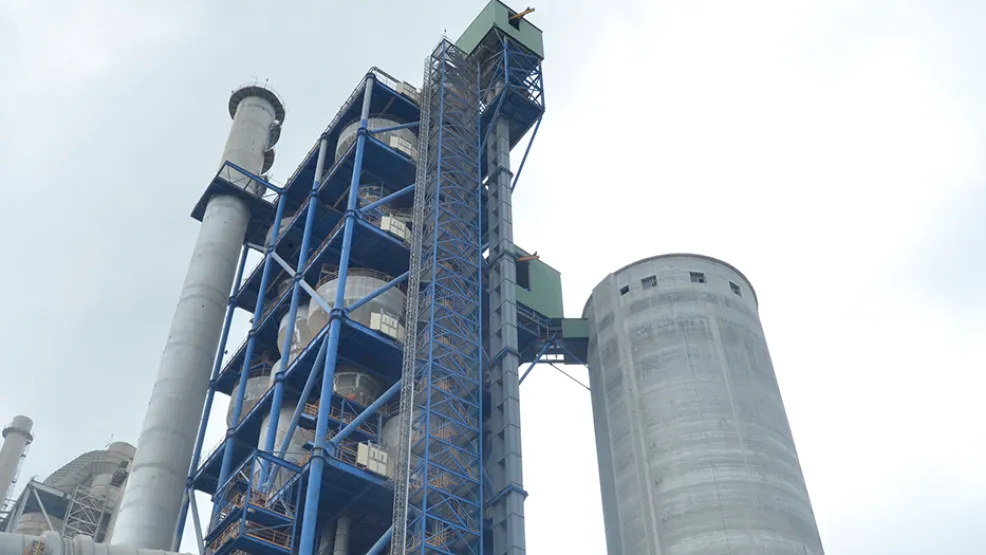
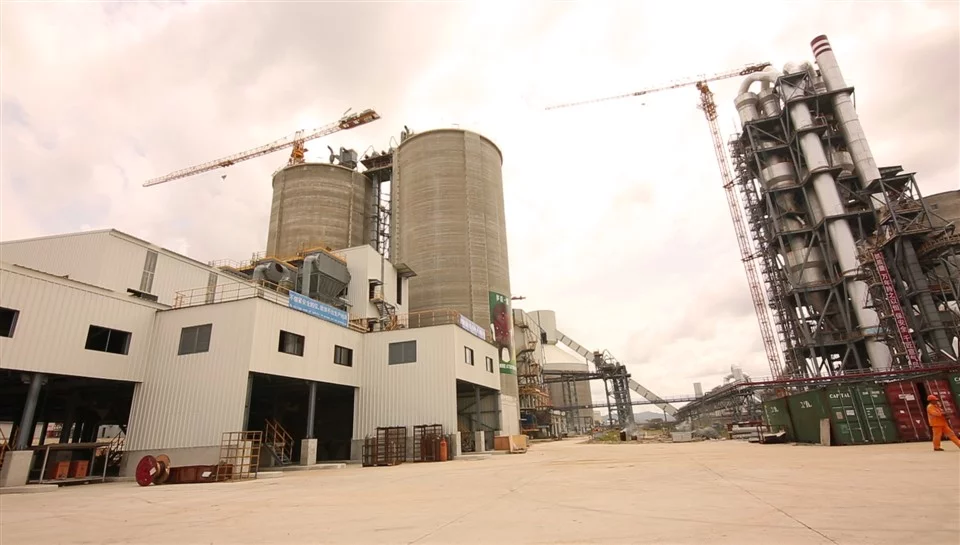
BUA Cement Plc is engaged in the production and marketing of cement under the brand name “BUA Cement”. Presently, the company produces CEM-II type of cement in accordance with the Nigerian Industrial Standards. BUA Cement is ideal for all construction purposes in Nigeria. Its unique quality makes it the cement of choice for block-making, plastering and concrete works. Its high yield, strength, rapid setting and low heat of hydration are all distinct features that characterize our high quality production process.

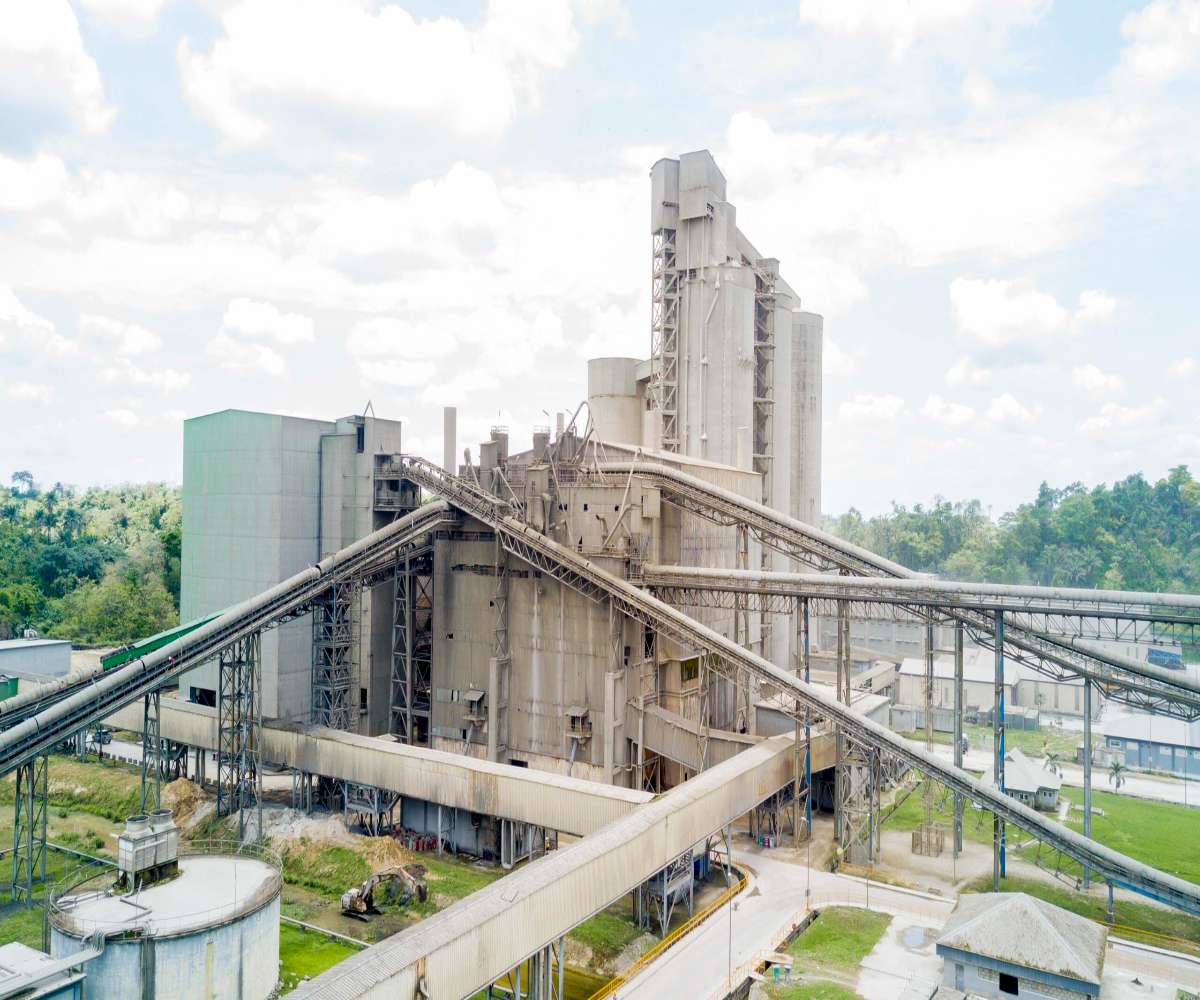
The Reform Process
The Federal Government, through the Bureau of Public Enterprises (BPE), initiated reforms to revitalise the cement sector under its privatisation and commercialisation programme. The main objectives were to transfer operations to capable private investors, increase production efficiency, and encourage backward integration. Key steps in the reform included:
Privatisation of State-Owned Cement Plants
- BPE facilitated the sale of majority shares in key publicly-owned cement companies to strategic core investors with proven technical and financial capacity.
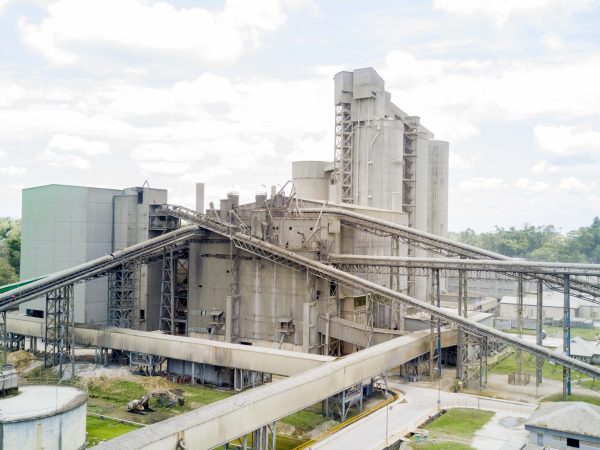
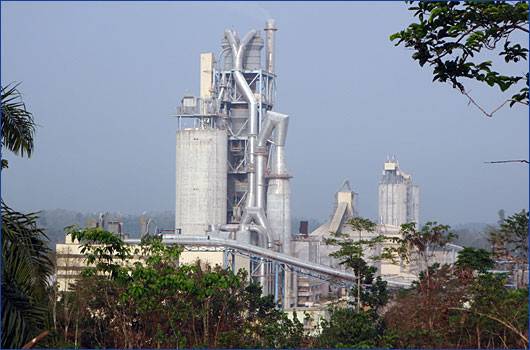
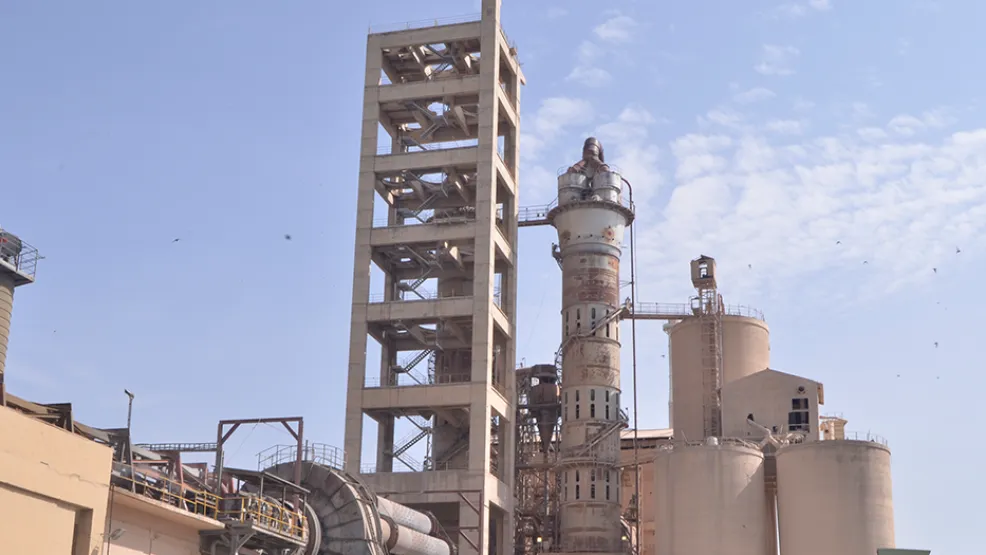
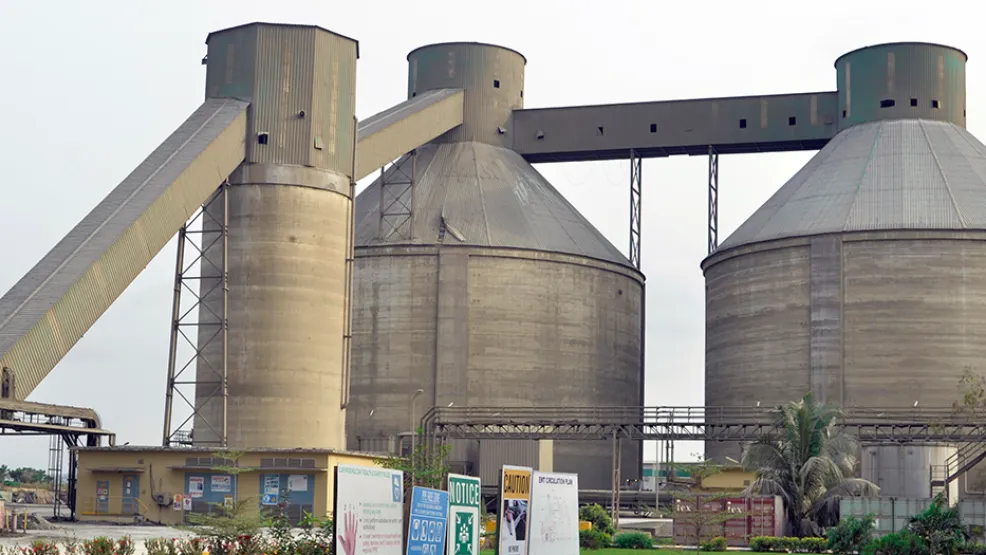
- Notable transactions included the privatisation of Nigercem, CCNN, and Ashaka Cement.
Backward Integration Policy (BIP)
- The government introduced the BIP, which required investors to develop local limestone and other raw material sources to reduce reliance on imports.
Industry Liberalisation
- Removal of government monopoly allowed new entrants, fostering competition and investment.
Investment in Modern Technology
- Core investors undertook massive plant rehabilitation and expansion projects, introducing energy-efficient processes and higher-capacity kilns.
Regulatory and Policy Support
- Implementation of clear policy guidelines on cement quality standards through the Standards Organisation of Nigeria (SON) and a framework to encourage export-oriented production.
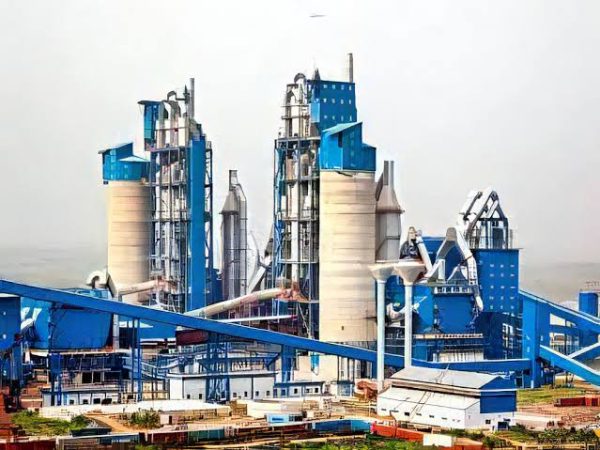
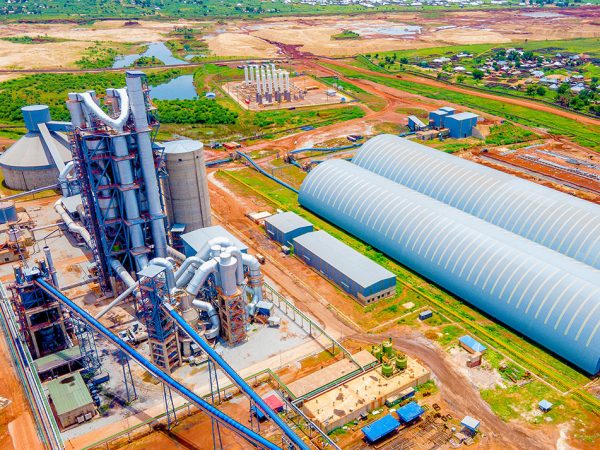
Transactions

Conclusion
The reform of Nigeria’s cement sector stands as one of the most successful privatisation stories under the Bureau of Public Enterprises. By transferring ownership to strategic investors, enforcing backward integration, and providing policy support, the government transformed the industry from an import-dependent sector into a globally competitive production hub. Today, Nigeria’s cement sector not only meets domestic needs but also contributes to regional trade, industrial growth, and economic diversification.
