

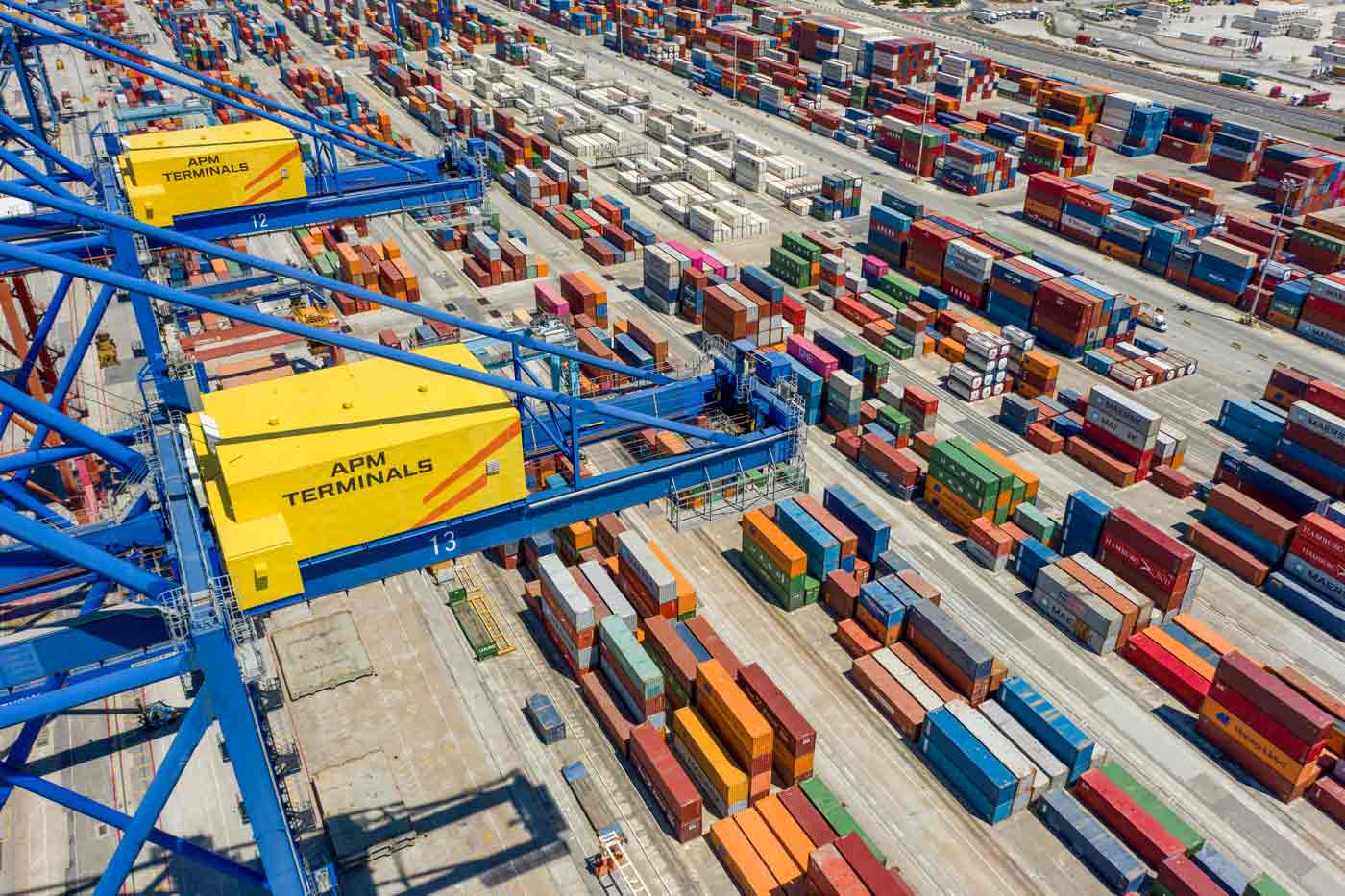
Nigeria’s ports and cargo sector has historically played a critical role in the country’s trade and economic growth, serving as the gateway for over 80% of imports and exports. Before reform, the sector was heavily centralised under the Nigerian Ports Authority (NPA), which managed both regulatory and operational functions. This arrangement created inefficiencies such as prolonged cargo clearance times, port congestion, inadequate infrastructure, and high operational costs.
The Port Harcourt Electricity Distribution Company (PHED) has distributed free electricity meters to selected government schools in Rivers State and sensitised students on electrical safety as part of its 2026 Corporate Social Responsibility (CSR) programme. The initiative, which was carried out at Government Model Secondary School, GRA, Port Harcourt, is aimed at improving the learning environment while reducing incidents of electric shock and other hazards associated with unsafe electricity use.

The Reform Process
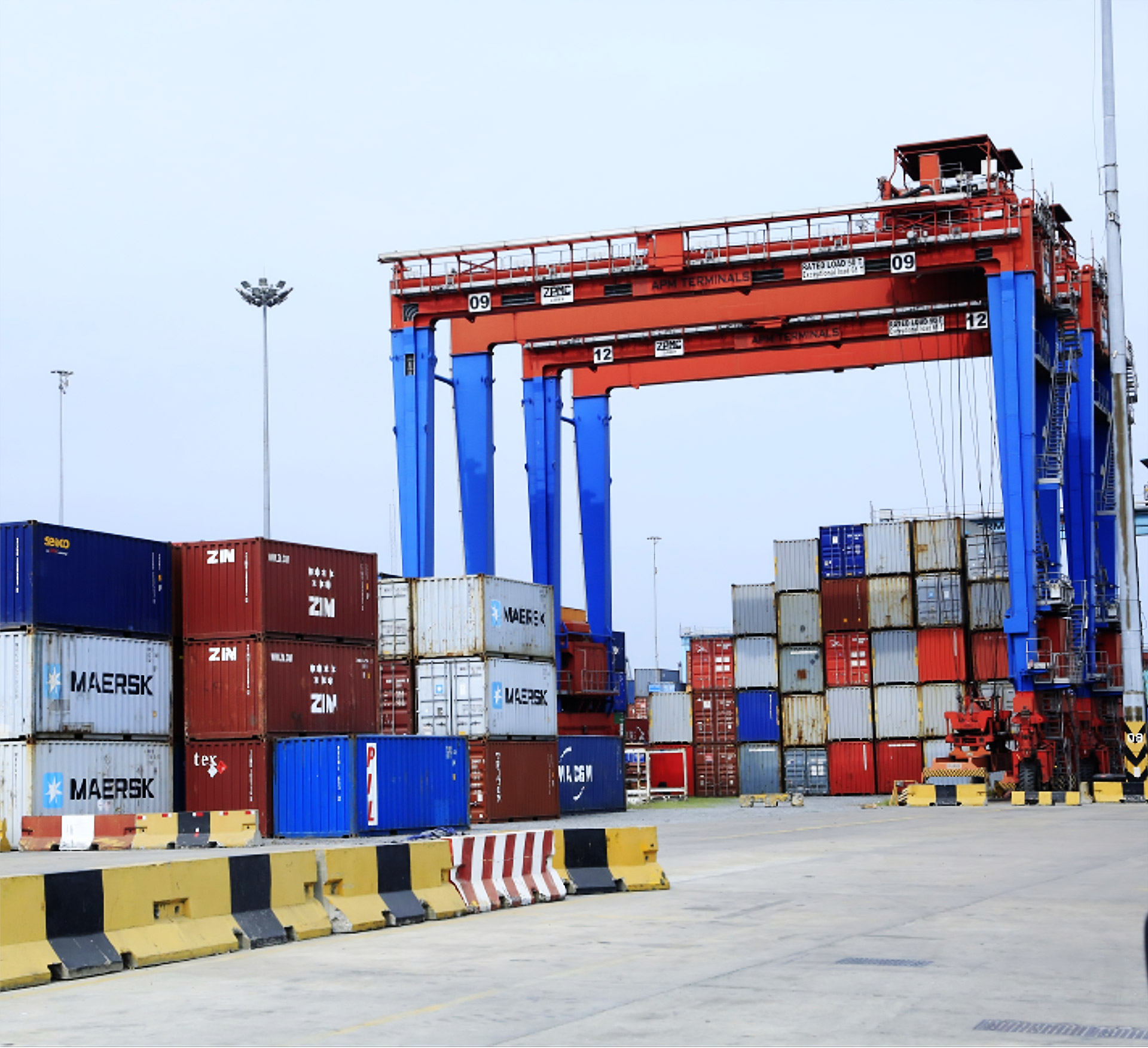
To address inefficiencies and align with global best practices, the Bureau of Public Enterprises (BPE), in collaboration with the Federal Government, initiated a comprehensive port reform programme in the early 2000s. The key steps in the reform process included:
Adoption of the landlord port model
Concessioning of port terminals
Private sector investment
Regulatory strengthening
This reform created a framework where the government focused on policy and oversight, while the private sector drove efficiency and competitiveness.
Transactions

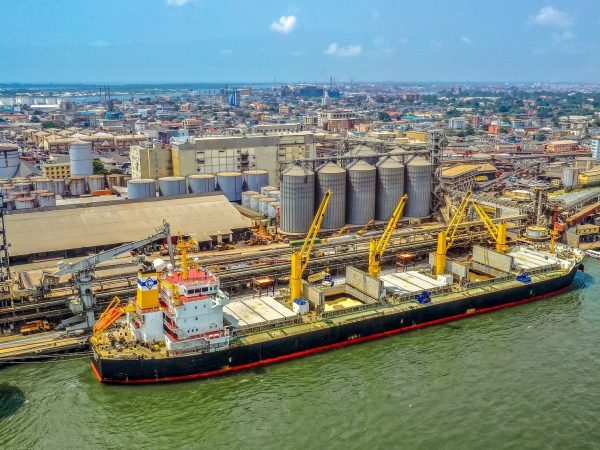
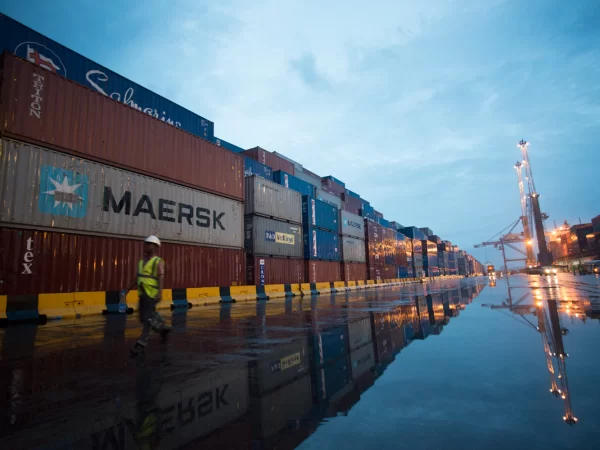
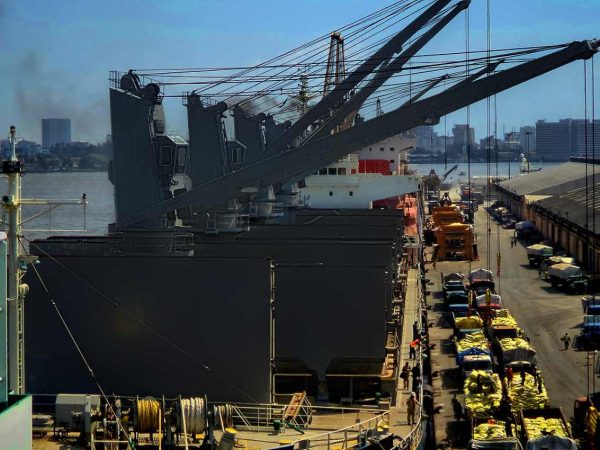
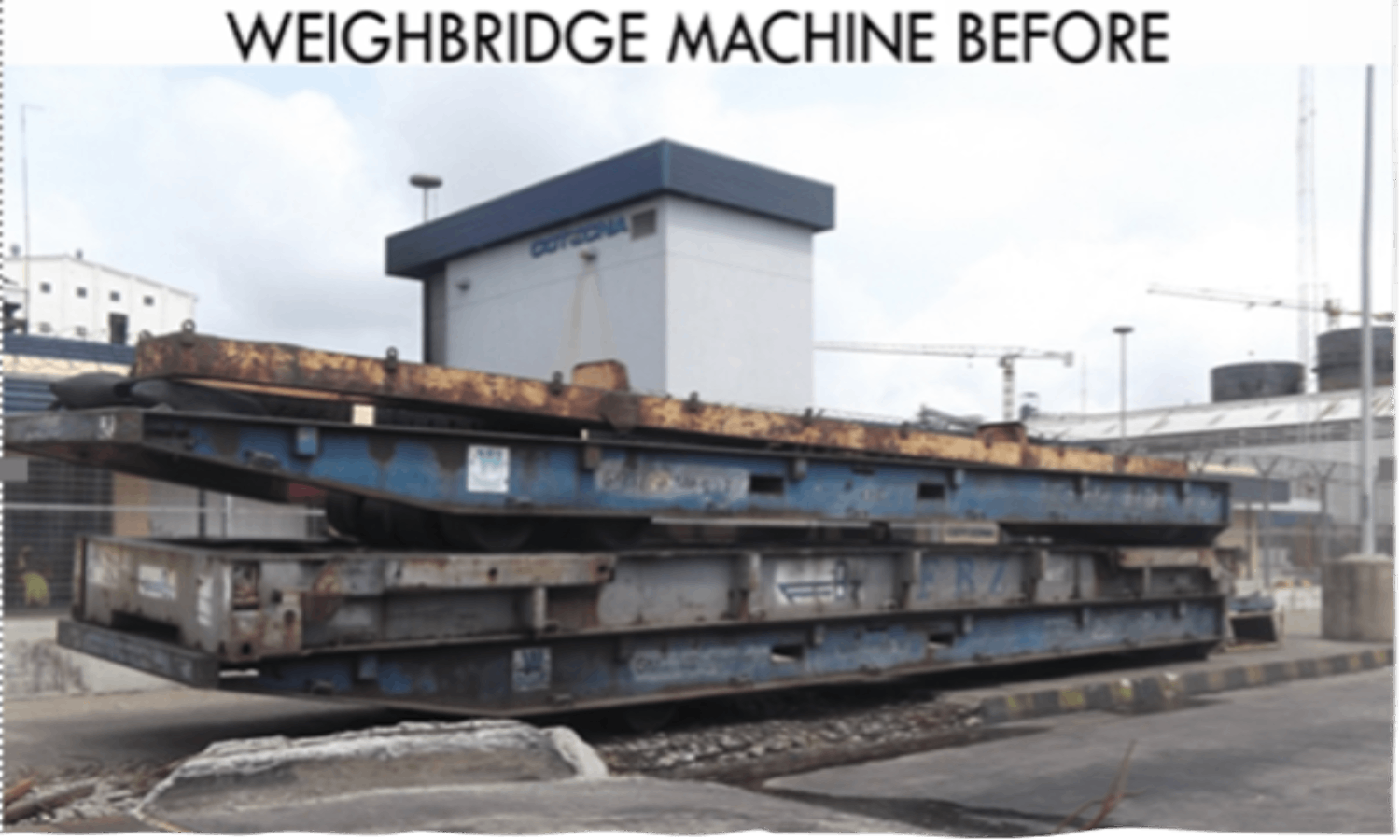
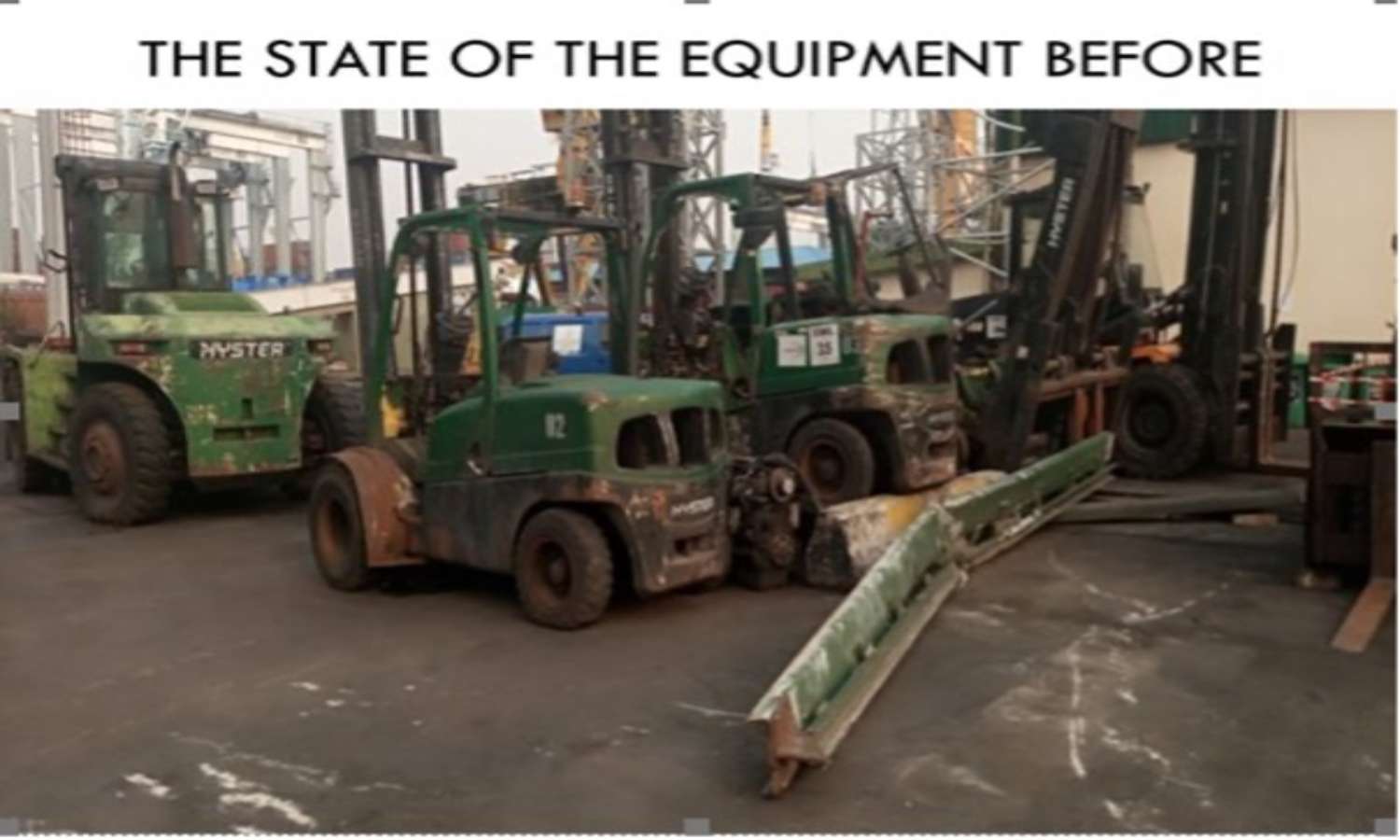
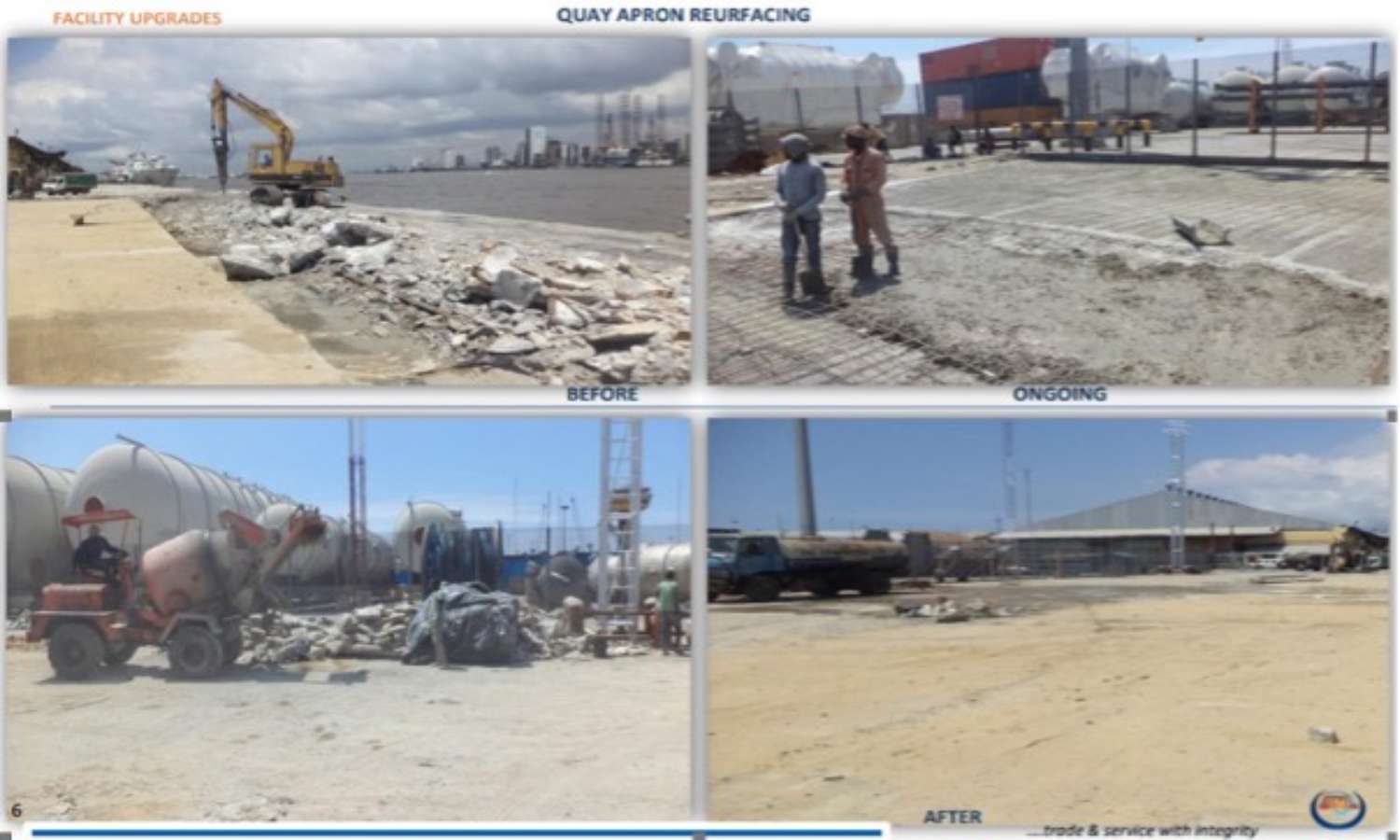
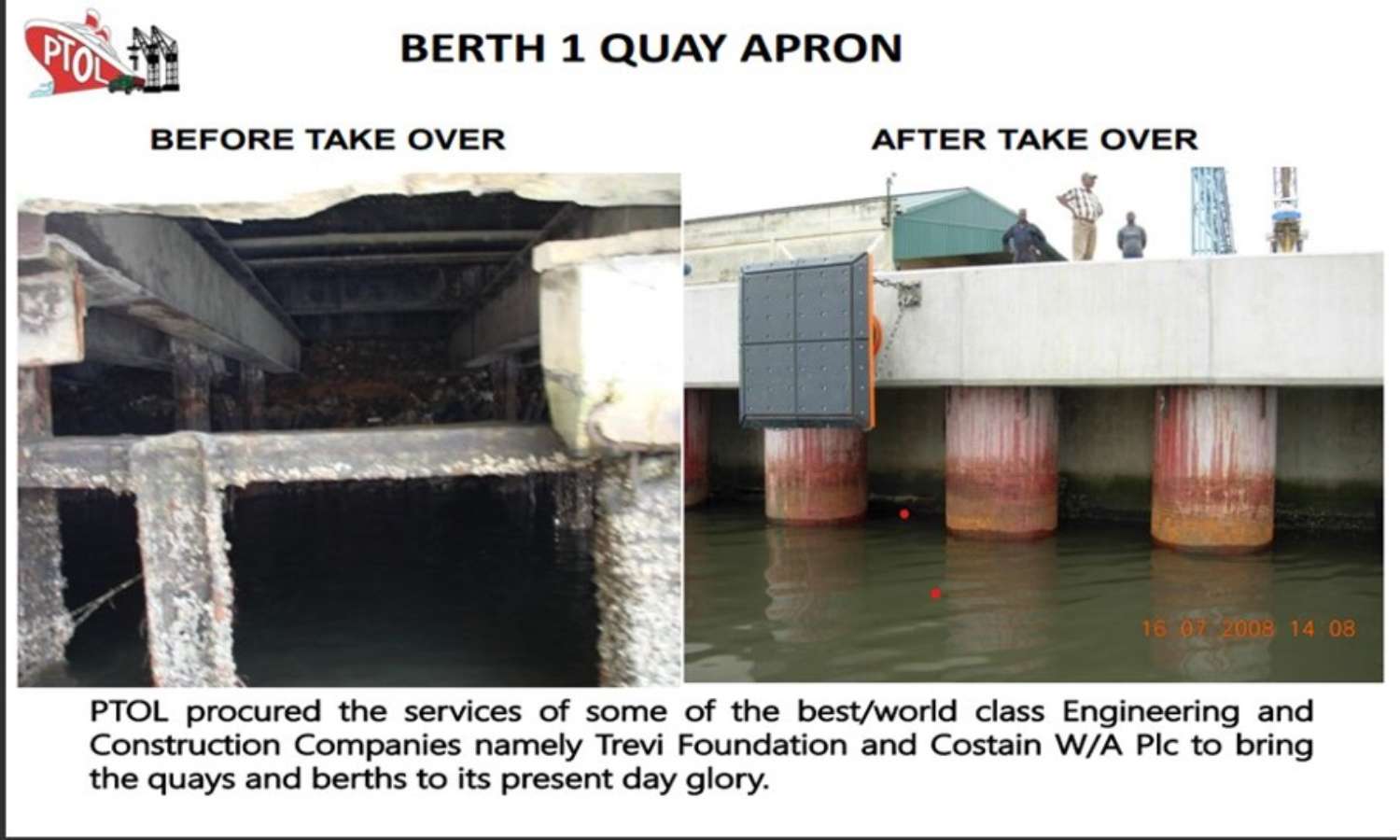
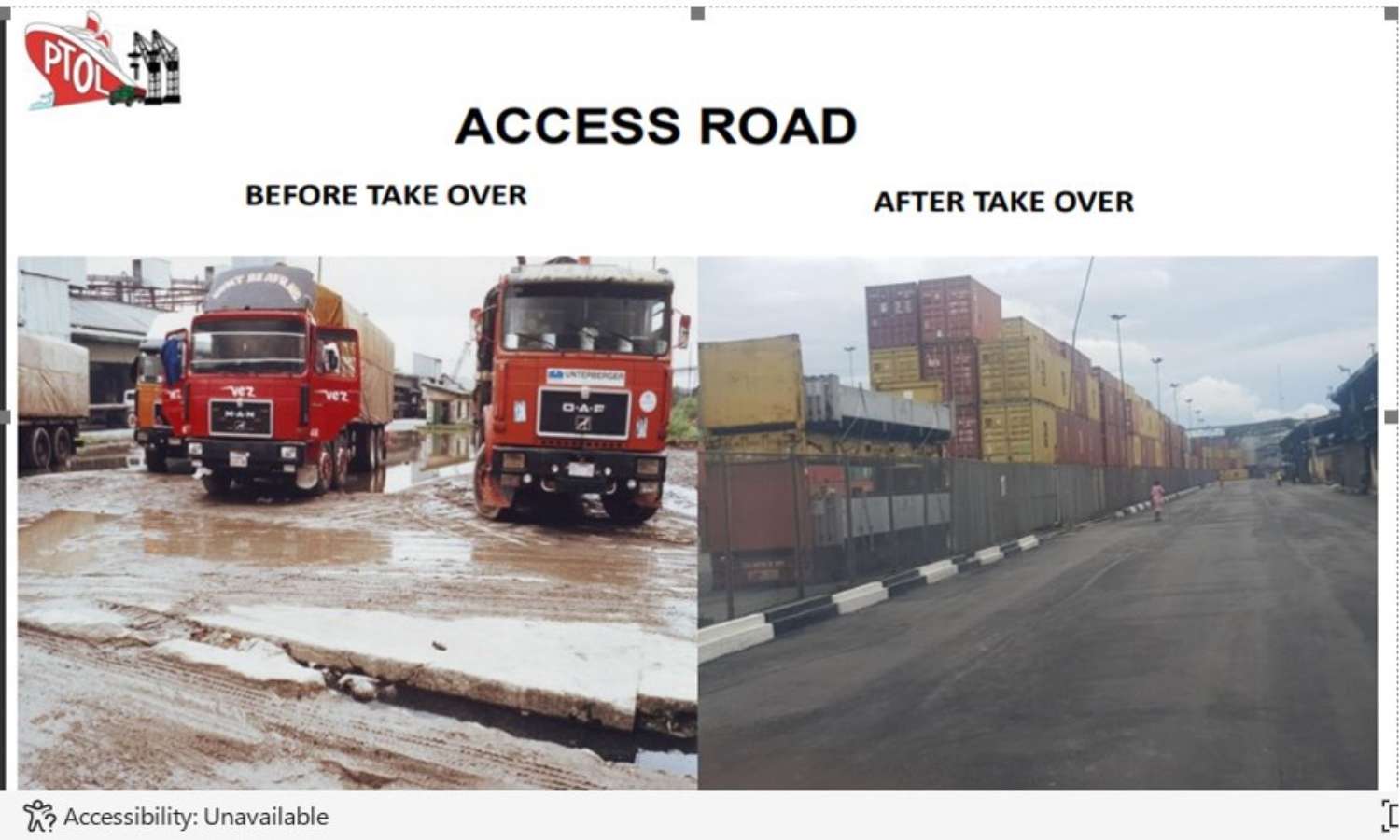
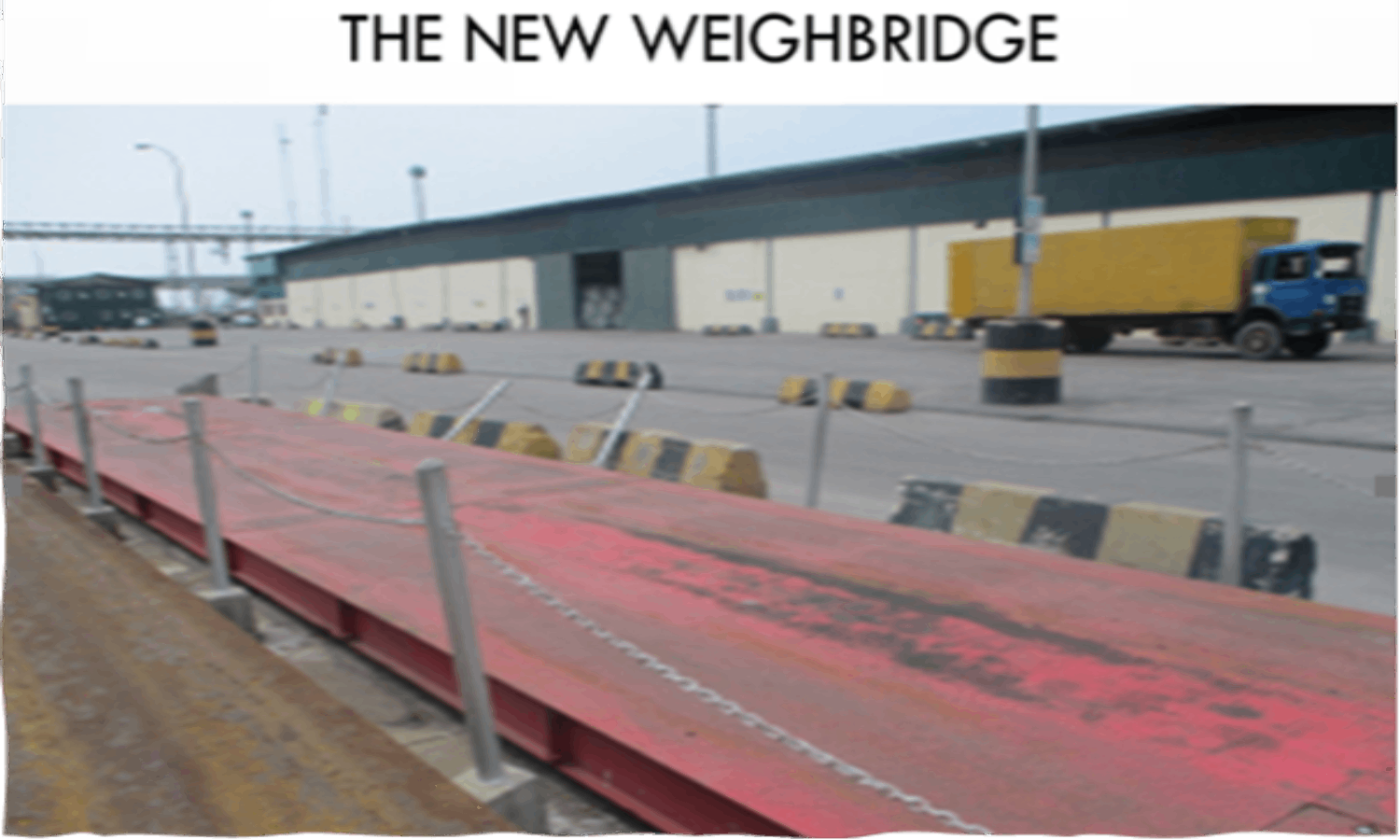
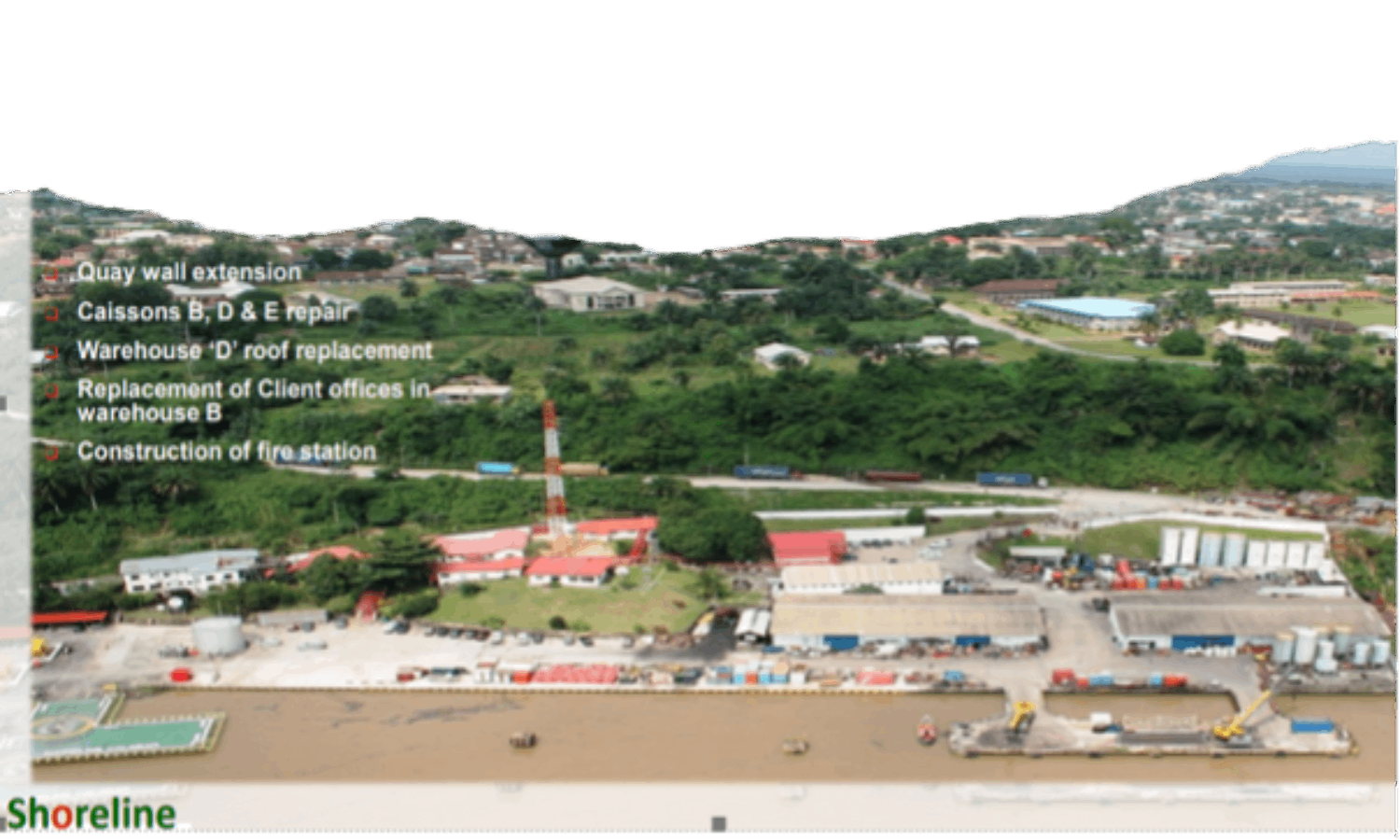
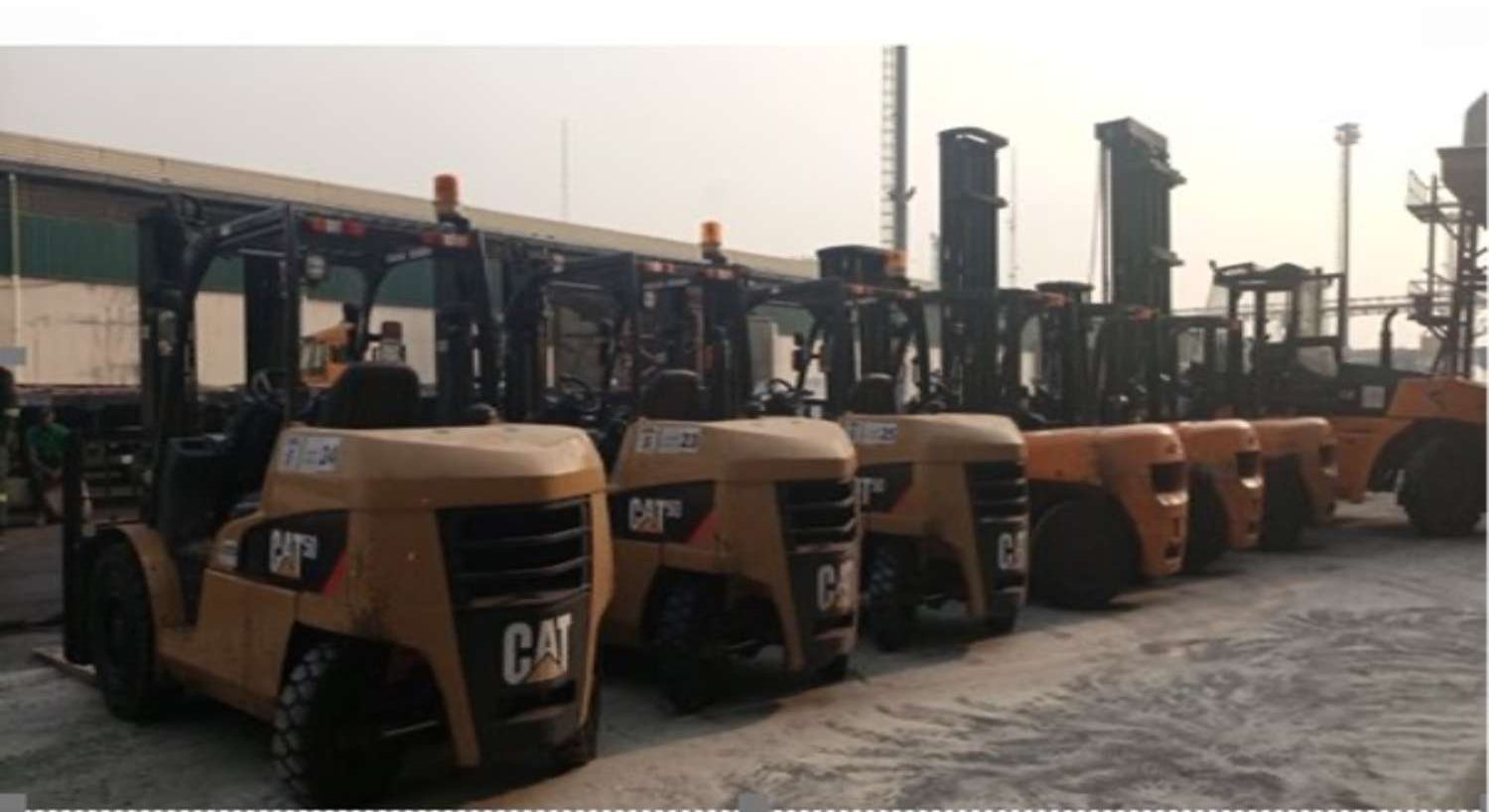
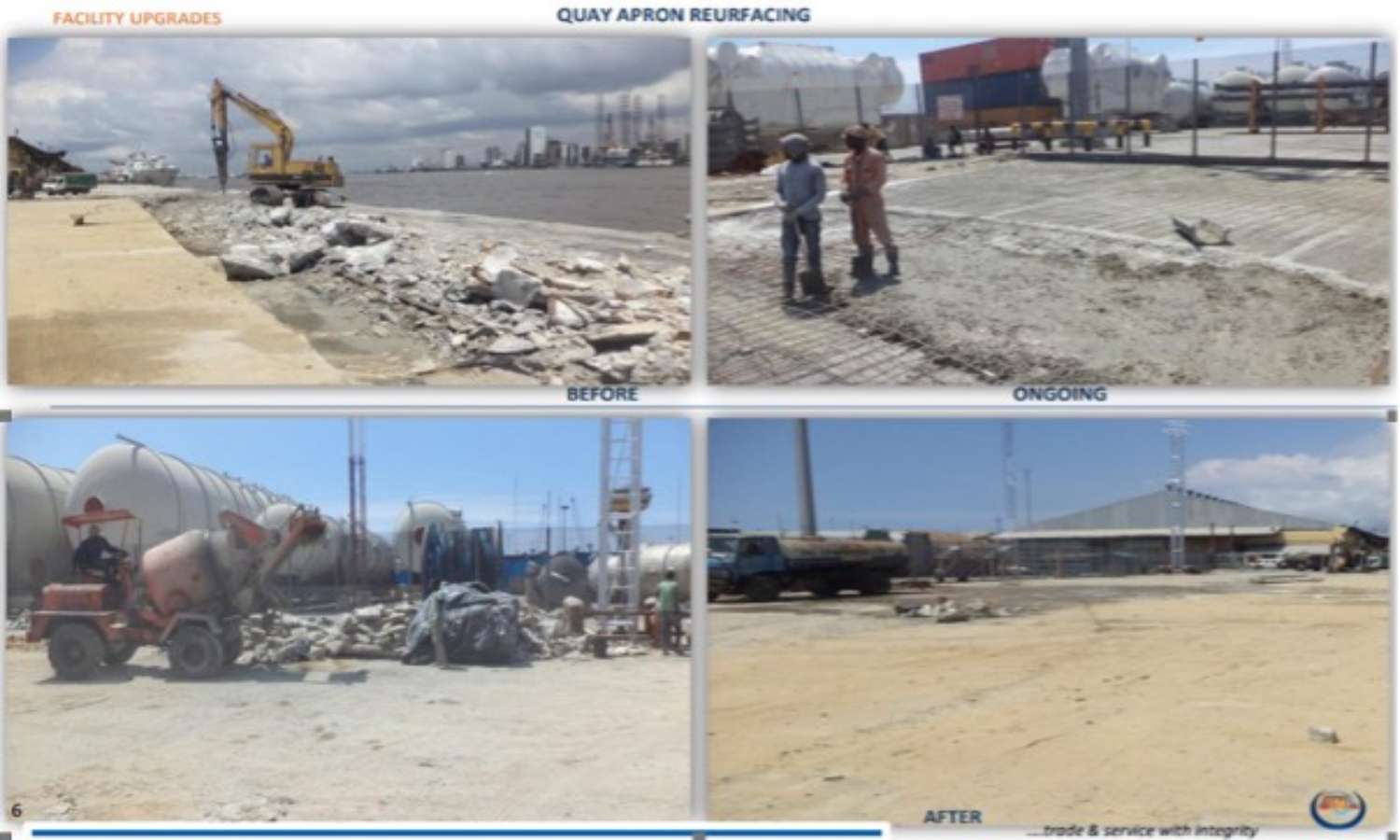
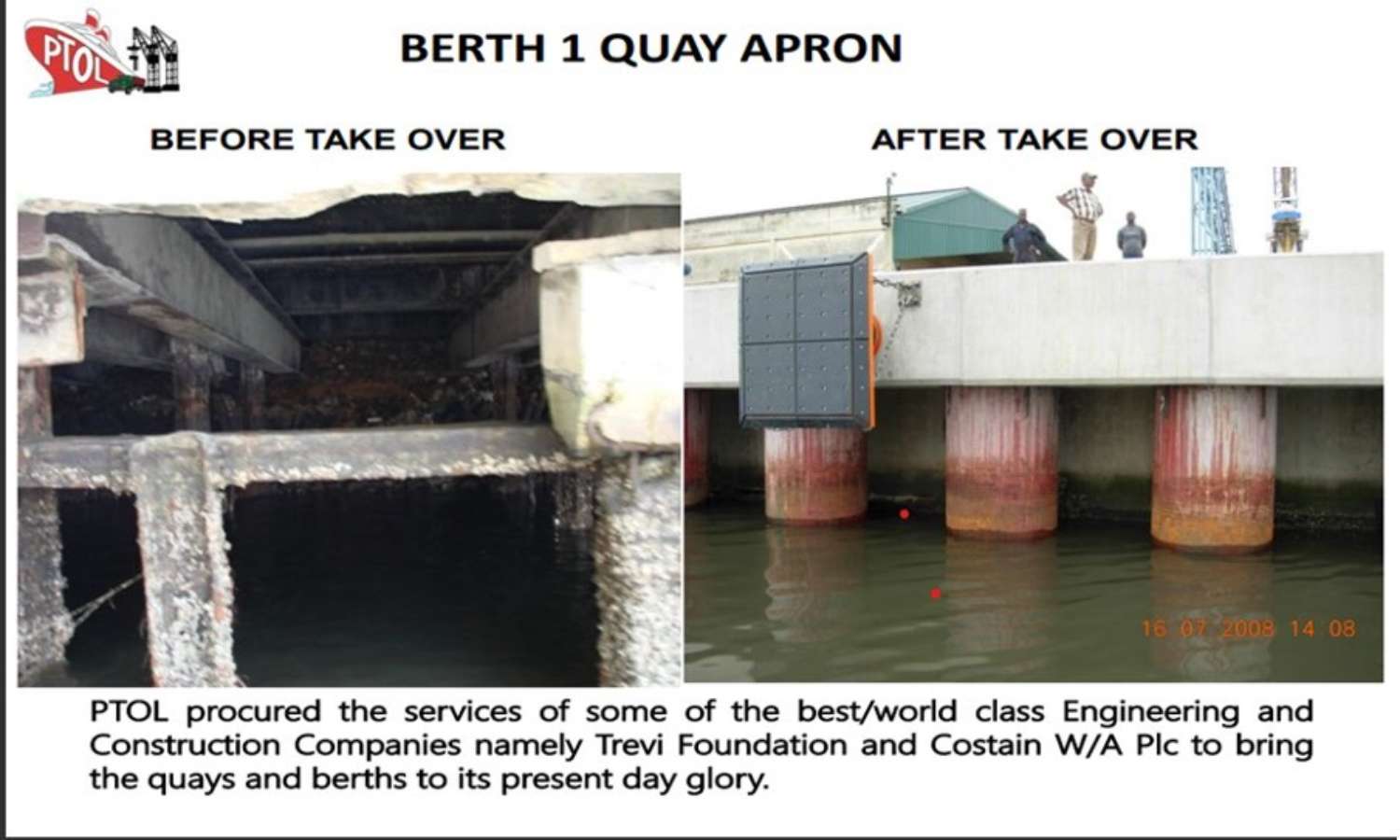
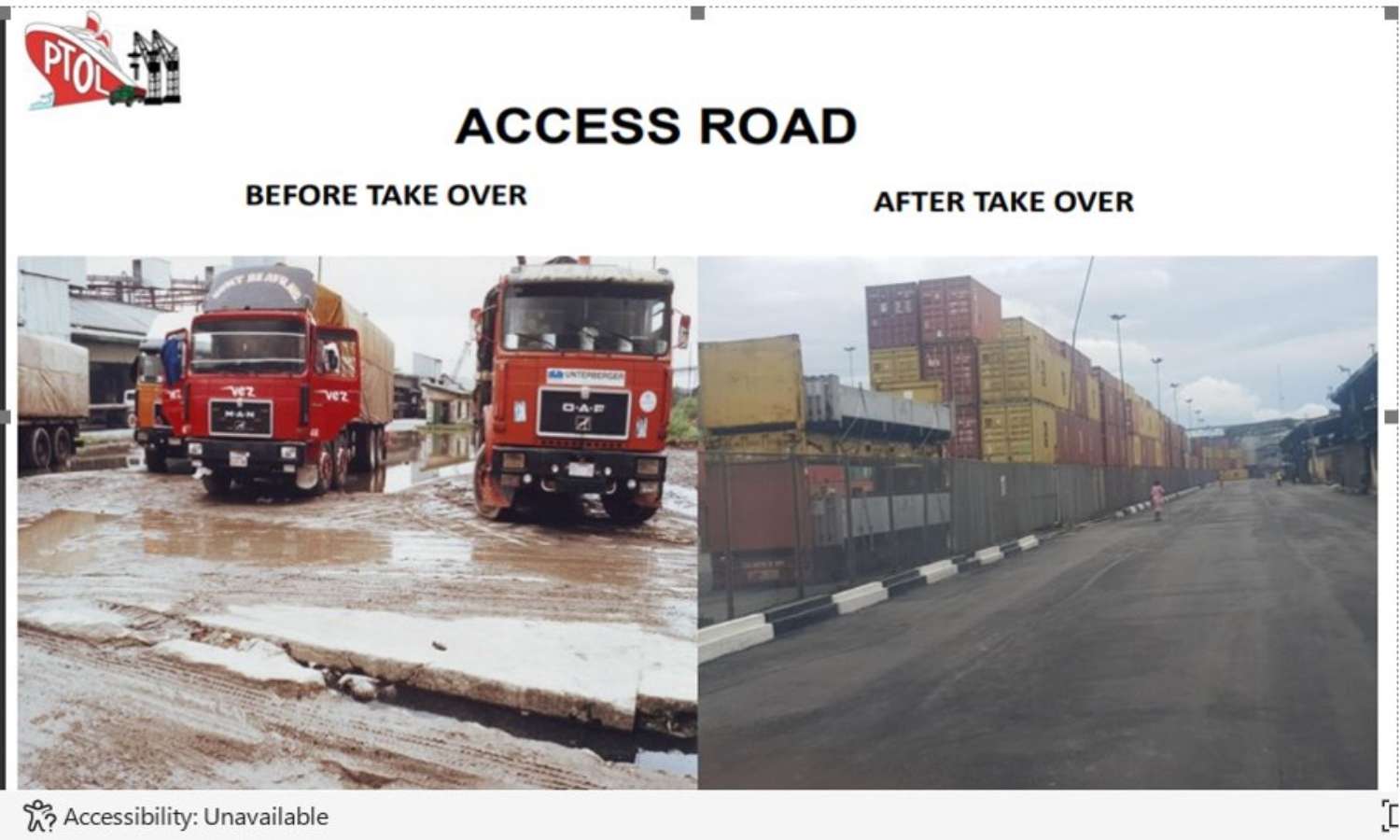
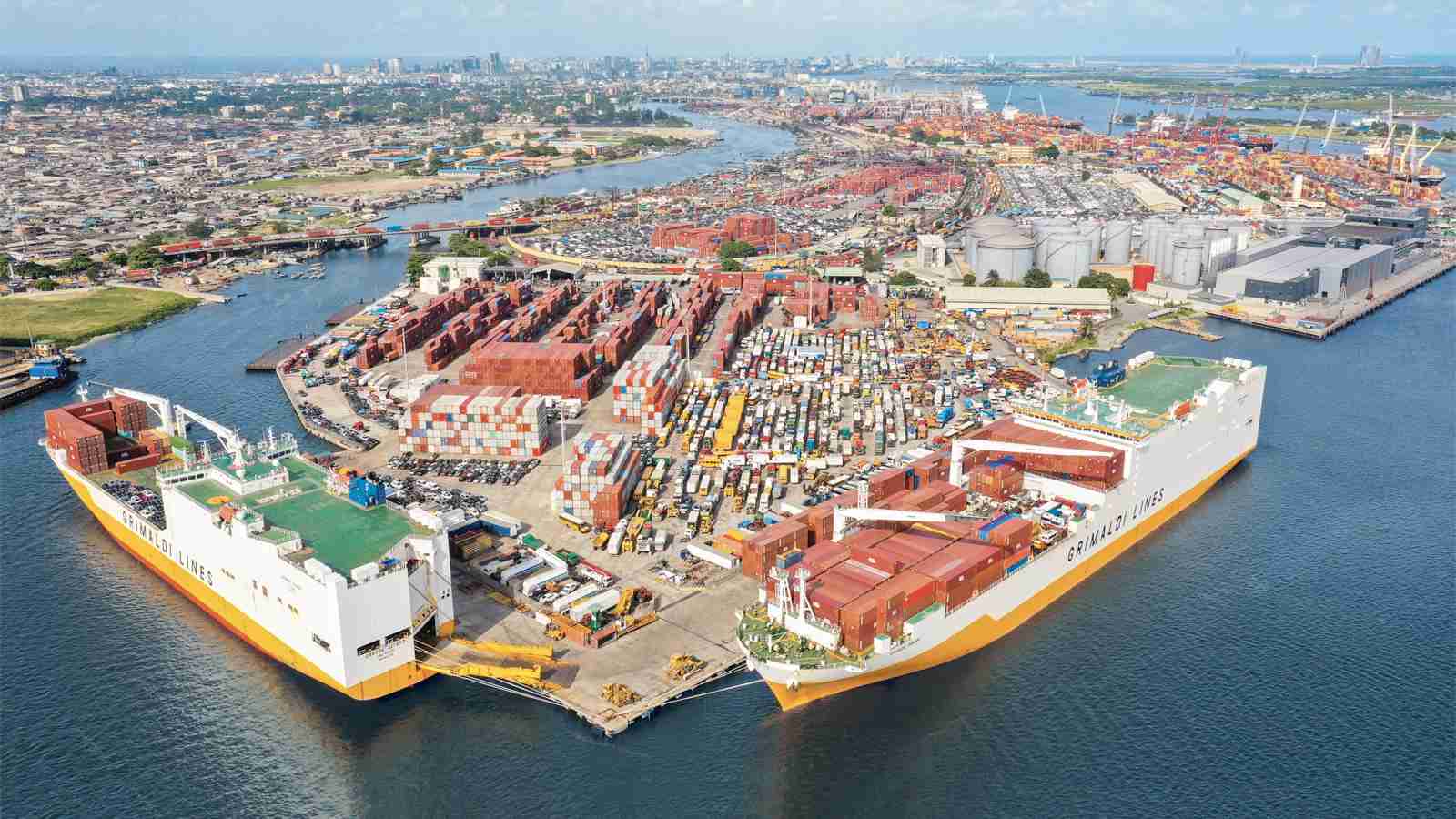
The reform of Nigeria’s ports and cargo sector transformed it from a government-run monopoly into a more efficient, private sector–driven system. By adopting the landlord port model and concessioning terminals, turnaround times dropped, investments flowed in, and competitiveness improved. Though further improvements in oversight and infrastructure are needed, the reforms have strengthened Nigeria’s position as a regional trade hub and laid a solid foundation for future growth.
