

Introduction
Privatisation and commercialisation are important economic reform strategies adopted by governments around the world to improve efficiency, reduce public expenditure, and stimulate economic growth.
These policies are often introduced when government-owned enterprises face challenges such as poor performance, inadequate funding, inefficiency, and bureaucratic bottlenecks. By involving the private sector and introducing market-oriented principles, governments can enhance productivity, improve service delivery, and create sustainable economic opportunities.
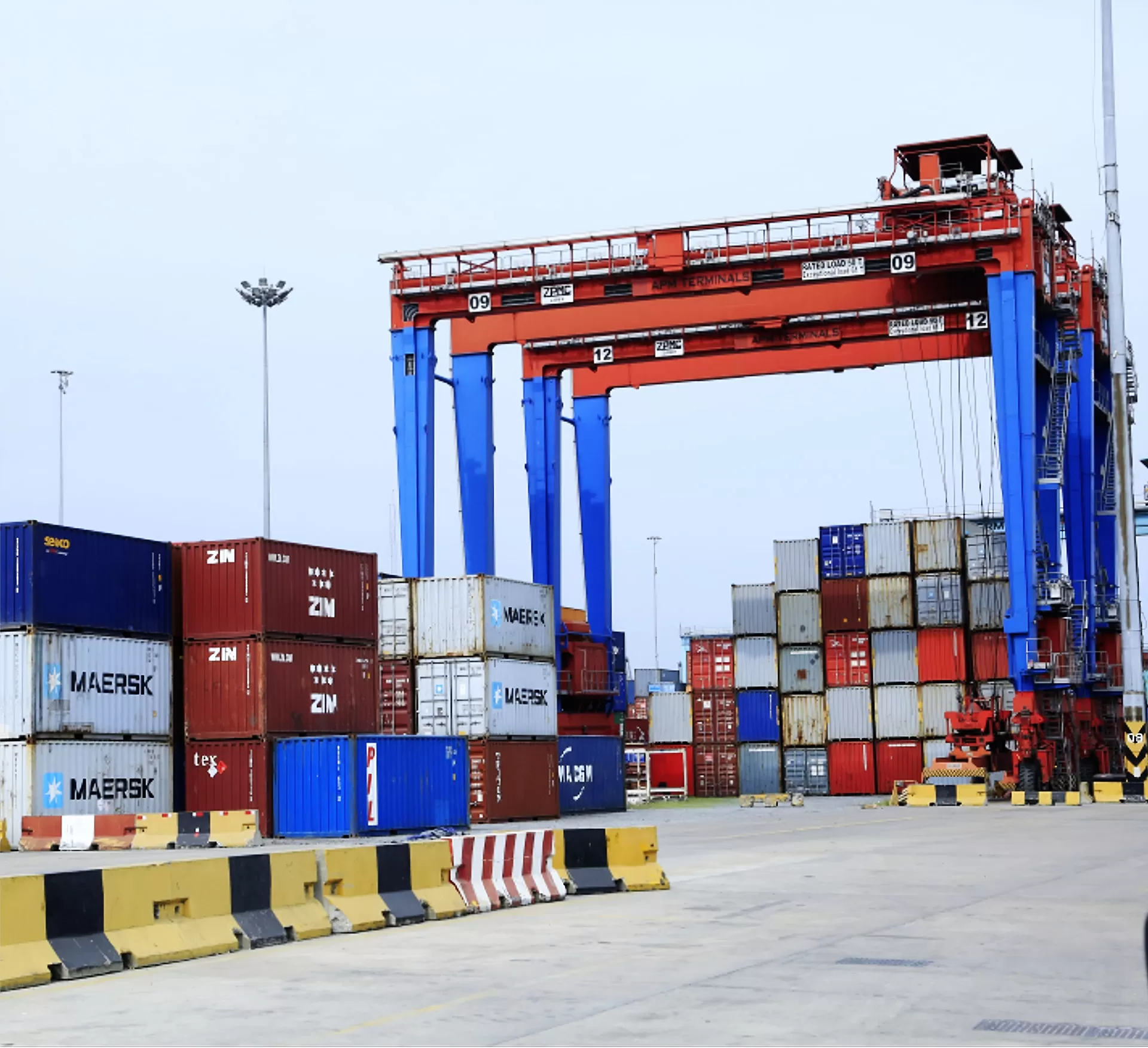
In Nigeria, privatisation and commercialisation have played a significant role in restructuring public enterprises and promoting private-sector participation in key sectors, including telecommunications, power, ports, banking, and transportation. The Bureau of Public Enterprises (BPE) has been at the forefront of implementing these reforms to ensure that state-owned enterprises operate more efficiently and contribute positively to national development.
What Is Privatisation?
Privatisation is the transfer of ownership, management, or control of government-owned enterprises to private individuals or organizations. This transfer may take place through the sale of shares, outright sale of assets, concession arrangements, or public-private partnerships.
The primary objective of privatisation is to improve operational efficiency by introducing private-sector expertise, innovation, competition, and investment. Privatised enterprises are generally expected to respond more effectively to market demands and customer needs while providing better services at competitive prices.
Examples of privatisation initiatives around the world can be found in sectors such as telecommunications, aviation, ports, and energy. In many cases, private-sector participation has resulted in improved service delivery, increased investment, and technological advancement.
What Is Commercialisation?
Commercialisation is the process of restructuring government-owned enterprises to operate on a profit-oriented basis while remaining under public ownership. Under this arrangement, enterprises are expected to generate sufficient revenue to cover their operating costs and reduce their dependence on government funding.
Commercialisation may be classified into two main categories:
Full Commercialisation
Fully commercialised enterprises operate independently without regular government financial support. They are expected to generate enough revenue to sustain their operations.
Partial Commercialisation
Partially commercialised enterprises operate according to commercial principles but may continue to receive some level of government support.
Commercialisation promotes accountability, efficiency, and improved management practices while allowing the government to retain ownership of strategic assets.
Objectives of Privatization and Commercialisation
The major objectives of privatization and commercialisation include:
1. Improving Efficiency: Enhancing operational performance through better management, innovation, and accountability.
2. Reducing Government Expenditure: Minimizing the financial burden of maintaining loss-making public enterprises.
3. Promoting Private-Sector Participation: Encouraging investment, entrepreneurship, and innovation.
4. Generating Revenue: Raising funds for government through asset sales, taxes, and improved enterprise performance.
5. Improving Service Delivery: Providing citizens with better-quality and more reliable services.
6. Enhancing Competition: Creating a competitive environment that encourages productivity and innovation.
7. Stimulating Economic Growth: Supporting industrial development, job creation, investment, and broader economic activity.
Benefits of Privatization and Commercialisation
Privatization and commercialisation offer several important benefits, including:
● Increased efficiency and productivity.
● Greater attraction of local and foreign investment.
● Improved infrastructure development.
● Reduced bureaucratic delays.
● Better customer service.
● Increased innovation and technological advancement.
● Job creation through expanded business activities.
● Reduced dependence on government funding.
● Improved accountability and financial management.
● Greater government focus on policymaking and regulation rather than direct business operations.
Nigeria’s experience in sectors such as telecommunications and port operations demonstrates how economic reforms can transform industries, improve service quality, attract investment, and contribute significantly to national development.
Challenges of Privatization and Commercialisation
Despite their potential benefits, privatization and commercialisation may face several challenges, including:
● Public resistance due to concerns about job losses.
● Inadequate regulatory frameworks.
● Political interference.
● Lack of transparency in the sale or transfer of public assets.
● Lack of transparency in the sale or transfer of public assets.
● Monopoly tendencies where competition is weak.
● Poor management after privatization.
● Social concerns regarding the affordability and accessibility of essential services.
● Limited access to financing for new private operators.
● Conflicts between commercial objectives and public-interest responsibilities.
To address these challenges, governments must establish strong regulatory institutions, ensure transparency, promote fair competition, and develop policies that protect the public interest.
Conclusion
Privatisation and commercialisation remain important tools for economic reform and national development. When properly implemented, they can improve efficiency, attract investment, promote competition, enhance service delivery, and reduce the financial burden on government.
However, the success of these reforms depends on transparent processes, effective regulation, stakeholder engagement, strong corporate governance, and a commitment to balancing economic efficiency with social welfare.
For countries such as Nigeria, privatization and commercialisation continue to be essential strategies for promoting sustainable economic growth, strengthening public enterprises, encouraging private-sector development, and building a more productive and competitive economy.